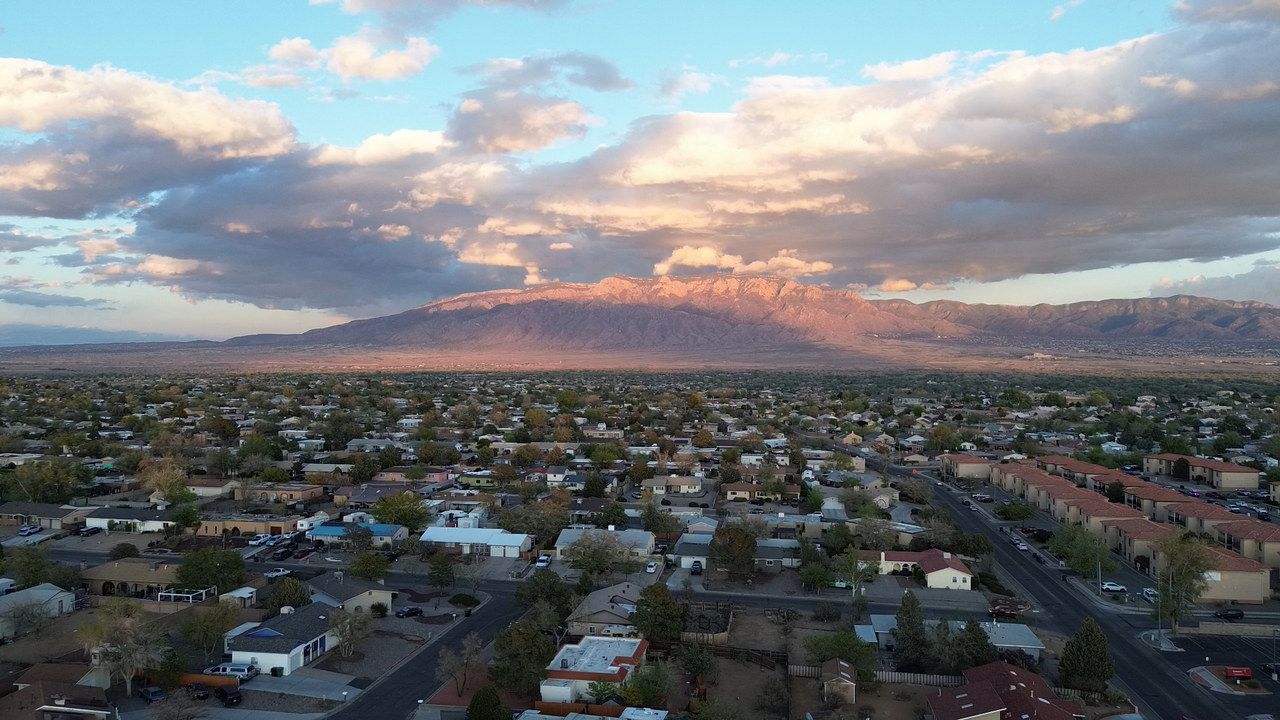
At the gateway to the Crest Highway, Sandia Park homes face a punishing combination of heavy snow loads, monsoon hail, and relentless mountain wind — conditions that demand a roof engineered for high-elevation performance. Vertical Roofing and Restoration, Inc. brings hands-on East Mountains experience to every inspection, repair, and replacement in Sandia Park.
Need a roofing contractor who actually knows Sandia Park? Contact us today for a free roof inspection.
Why Sandia Park Trusts Vertical Roofing and Restoration, Inc.
Sandia Park sits at approximately 7,000 feet on the eastern slopes of the Sandia Mountains, serving as the starting point for NM-536 — the Sandia Crest National Scenic Byway that climbs through five distinct life zones to the 10,678-foot summit. That dramatic elevation range defines the community and its weather. From the custom estates of Paa-Ko to the wooded hillside properties in Sandia Knolls, homes here contend with a mountain climate that valley contractors rarely encounter. At Vertical Roofing and Restoration, we've worked throughout Sandia Park, Edgewood, Cedar Crest, and Albuquerque, so we understand exactly what elevation, exposure, and terrain demand from a roof.
Heavy Snow and Structural Load
Sandia Park averages between 39 and 59 inches of snow annually, with March often delivering the heaviest single-month totals — up to 13 inches. Unlike lower elevations where snow melts quickly, accumulation at 7,000 feet persists for days or even weeks. That sustained weight stresses roof decking, trusses, and fasteners, especially on the larger custom homes found in Paa-Ko and along Sandia Crest Road. Steep-pitched roofs common in the area help shed snow, but when ice forms at the eaves and blocks drainage, the load concentrates at the weakest points of the structure. Proactive inspections before winter are essential to catch compromised areas before heavy snowfall arrives.
Severe Hail and Monsoon Storms
Sandia Park has been under 18 severe weather warnings in just the past twelve months. When monsoon thunderstorms build over the Sandia Mountains from late June through September, they hit the eastern slopes with force — the community has recorded hailstones ranging from quarter-sized to golf-ball-sized, with a notable event in July 2025 bringing half-dollar and golf-ball hail directly over the area. Wind gusts during these storms regularly reach 60 mph. Homes along NM-536 and in exposed ridgetop neighborhoods like Sandia Knolls take the brunt of these events, and the damage often isn't visible from the ground until a professional inspection reveals cracked shingles, dented flashing, or bruised underlayment.
Extreme Daily Temperature Swings
The high-desert mountain environment produces daily temperature fluctuations of 40°F or more — summer days can approach 88°F before plunging into the 50s overnight, while winter mornings routinely drop below freezing even after a mild afternoon. That constant thermal cycling expands and contracts roofing materials dozens of times each month, loosening fasteners, cracking sealants around skylights and vents, and pulling flashing away from chimneys. Over time, these micro-failures compound into leaks that surface during the first heavy rain or snowmelt.
Wind Exposure at Elevation
Sandia Park's position along the mountain ridge makes it more wind-exposed than communities further down the slopes. Spring wind events regularly exceed 25 mph sustained, with gusts topping 60 mph during severe storms. Properties perched on higher lots in Paa-Ko or along the upper stretches of NM-536 face even greater exposure due to the lack of natural wind breaks. High winds lift shingle edges, peel back ridge caps, and drive moisture underneath materials that appear secure — damage that often goes unnoticed until the next storm exploits the gap.
Sandia Park property owners trust Vertical Roofing because we've seen what this mountain throws at a roof — not from a distance, but from years of climbing onto roofs in Sandia Knolls, inspecting storm damage along the Crest Highway, and replacing aging systems on the custom homes that define this community.
Popular Roofing Services in Sandia Park
These are the services Sandia Park property owners depend on most, given the high-elevation climate and the types of roofing systems found throughout the community.
Metal Roof Installation
Metal is one of the highest-performing roofing materials for Sandia Park's conditions. It sheds heavy snow before dangerous loads accumulate, withstands 60 mph wind gusts without lifting, and handles the daily freeze-thaw cycle without the cracking and granule loss that degrades other materials. For the custom-built homes in Paa-Ko and the ridgetop properties along Sandia Crest Road, standing-seam metal roofing delivers decades of low-maintenance protection with excellent energy efficiency.
Hail and Storm Damage Repair
With 18 severe weather warnings in just the past year and documented golf-ball-sized hail events, storm damage is a recurring reality in Sandia Park. Vertical Roofing provides detailed post-storm inspections that identify every point of impact — cracked shingles, dented flashing, bruised underlayment — and documents the damage with photos and reports. We work directly with your insurance company to ensure nothing is missed and your claim reflects the full scope of repairs needed.
Tile Roof Replacement
Many of the Southwestern contemporary homes in Paa-Ko and throughout Sandia Park feature tile roofing — clay and concrete styles that complement the region's architecture. Tile reflects solar heat, resists UV degradation, and can last 50 years or more when properly installed. When tiles crack from hail impact or shift under heavy snow loads, Vertical Roofing handles full replacements with careful attention to structural load requirements, proper underlayment for mountain conditions, and compliance with local building codes.
Roof Leak Repair
At 7,000 feet, leaks often originate from sources you won't find on a valley roof — ice dam melt backing under flashing, wind-driven rain forcing moisture beneath ridge caps, or thermal cycling opening gaps around skylights and chimney penetrations. We trace the leak to its actual source rather than patching symptoms, and we repair with materials rated for the thermal stress and moisture conditions specific to Sandia Park's elevation.
Insurance Claims Assistance
Navigating a roof damage claim after a Sandia Park hailstorm or heavy snow event is stressful, especially when adjusters unfamiliar with mountain conditions undervalue the damage. Vertical Roofing specializes in insurance claims — we meet your adjuster on-site, provide the comprehensive documentation your insurer requires, and advocate on your behalf to ensure fair compensation. For many Sandia Park homeowners, this service is the difference between a partial payout and full coverage.
Emergency Roof Repair
When a late-summer microburst tears materials off your roof or a spring wind event peels back your ridge cap, waiting days for a contractor is not an option at this elevation — exposed decking at 7,000 feet means rapid moisture intrusion, especially during monsoon season. Vertical Roofing responds quickly to secure your property with tarping and temporary repairs, preventing further water damage until a permanent solution is completed.
Ready To Protect Your Property?
Get a free roof quote and a clear repair or replacement plan tailored to your roof system and neighborhood weather risks.
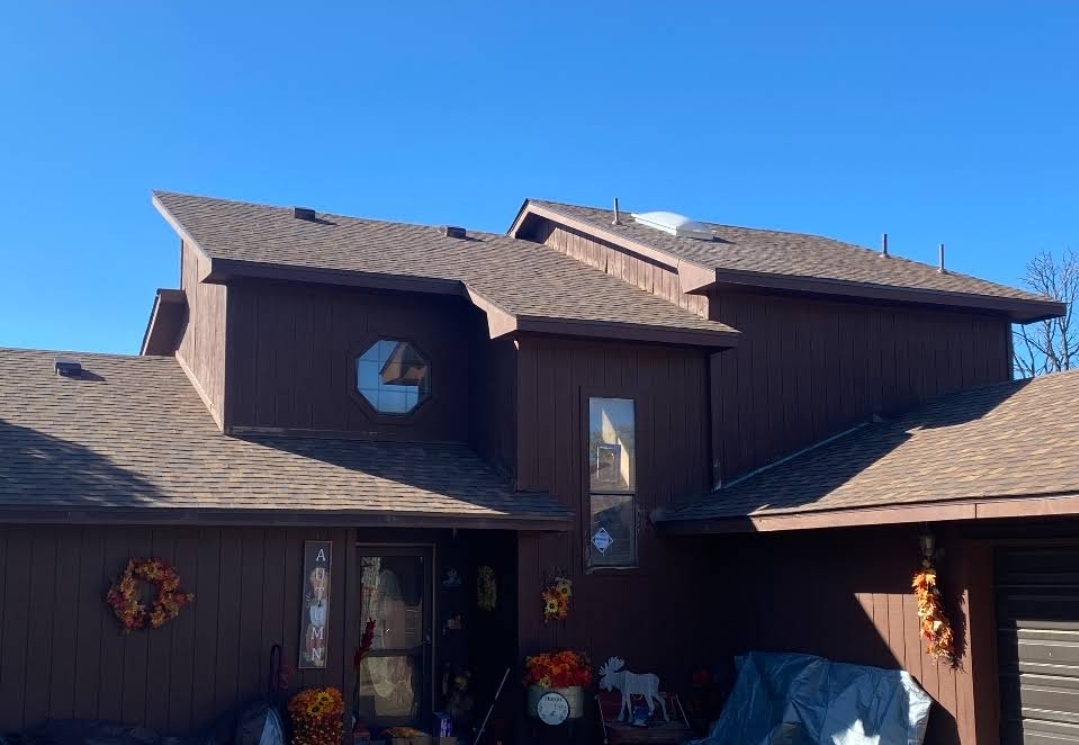
Representative Sandia Park work—including full architectural shingle reroofs for hillside homes, Paa-Ko, Sandia Knolls, and Crest Highway cut-ups—is highlighted on our portfolio. This replacement illustrates our East Mountain approach to tear-offs, valley flow, and wind-driven rain.
When you reach out to Vertical Roofing and Restoration from anywhere in Sandia Park, here's what happens:
1. Schedule Your Free Inspection Contact us by phone or through our website. Whether you're in Paa-Ko, Sandia Knolls, along NM-536, or anywhere in the Sandia Park area, we come to you.
2. Thorough Roof Inspection Our inspector examines your entire roof system — surface materials, flashing, vents, valleys, gutters, and attic space. We look for signs of hail impact, wind lift, thermal cycling damage, and snow load stress. Everything is photographed and documented, which is critical if you're filing an insurance claim.
3. Detailed Report and Recommendations You'll receive a clear, honest assessment along with our recommended course of action. If targeted repairs will handle it, we'll say so. If upgrading to metal for better snow shedding and wind resistance makes sense for your property, we'll explain why. No pressure — just straightforward guidance based on what your roof actually needs.
4. Insurance Claims Support For storm-related damage, we handle the heavy lifting on your insurance claim — preparing documentation, meeting with your adjuster on-site, and making sure nothing is overlooked or undervalued.
5. Professional Installation or Repair Our crew uses quality materials suited to Sandia Park's mountain climate, follows manufacturer specifications, and respects your property. We're experienced with the steep lots, winding driveways, and elevation access challenges that come with working in this community.
6. Final Walkthrough and Warranty We walk you through the completed work and make sure you're fully satisfied. Your roof is backed by both manufacturer warranties and our workmanship guarantee.
About Us
Vertical Roofing and Restoration, Inc. is a full-service roofing company serving all of New Mexico, with active projects in Albuquerque, Rio Rancho, Cedar Crest, Sandia Park, and Edgewood. We work with both residential and commercial property owners, providing everything from emergency storm repairs to complete roof replacements. Our team specializes in insurance claims assistance, helping property owners navigate the process and secure the coverage they're entitled to. For Sandia Park specifically, that means understanding how to work at the base of the Crest Highway — on custom-built homes with complex rooflines, steep pitches designed for snow shedding, and premium materials that require experienced installation. We've built our reputation on honest assessments, quality craftsmanship, and a commitment to the mountain communities that trust us with their most important investment.
Roofing FAQ
A: At roughly 7,000 feet, roofing materials endure more intense UV exposure, greater temperature swings, heavier snow loads, and stronger winds than roofs in the valley. These factors accelerate wear — shingles lose granules faster, sealants crack sooner, and fasteners loosen from constant thermal cycling. Most roofs in Sandia Park will need professional attention earlier in their lifecycle than identical materials installed at lower elevations.
A: Standing-seam metal roofing is one of the top performers — it sheds snow, resists hail, handles freeze-thaw cycles, and withstands high winds. Concrete and clay tile work well for the Southwestern contemporary homes common in Paa-Ko, offering longevity and heat reflection. For asphalt shingles, we recommend Class 4 impact-rated products engineered for high-wind and hail-prone areas. The best choice depends on your roof pitch, home design, and budget.
A: At least once a year — ideally in late spring after the snow season and before monsoons begin. With 18 severe weather warnings in the past year alone, we also recommend an inspection after any significant hail event or high-wind storm, even if you don't see obvious damage from the ground. Catching small problems early prevents costly repairs later.
A: Yes. Custom homes with multiple valleys, dormers, and pitch transitions have more penetration points and intersections where leaks can develop. Snow tends to accumulate unevenly on complex rooflines, creating concentrated loads in valleys and behind dormers. These areas require experienced installation techniques, proper flashing details, and regular inspection to stay watertight through Sandia Park's weather extremes.
A: Absolutely. Insurance claims are one of our core specialties. We document every point of hail impact with detailed photos and reports, meet with your adjuster on-site, and advocate for full coverage. Many adjusters aren't familiar with how mountain conditions compound storm damage — we make sure your claim reflects the true scope of repairs needed, not just what's visible in a quick walkthrough.
A: Yes. Many Sandia Park homes — particularly in Sandia Knolls and along the upper elevations near NM-536 — sit on steep lots with steep roof pitches designed for snow shedding. Our crews are equipped and trained for steep-pitch work, including proper safety rigging, material staging on angled surfaces, and navigating the access challenges that come with hillside mountain properties.
A: Late spring through early fall offers the most reliable weather windows — after the heavy snow season ends and before the coldest temperatures return. However, we schedule around monsoon forecasts during July and August to avoid mid-project rain. If your roof is actively leaking or has sustained storm damage, we address it immediately regardless of season. Waiting through a Sandia Park winter with a compromised roof risks far greater damage.
Ready To Protect Your Property?
Get a free roof quote and a clear repair or replacement plan tailored to your roof system and neighborhood weather risks.