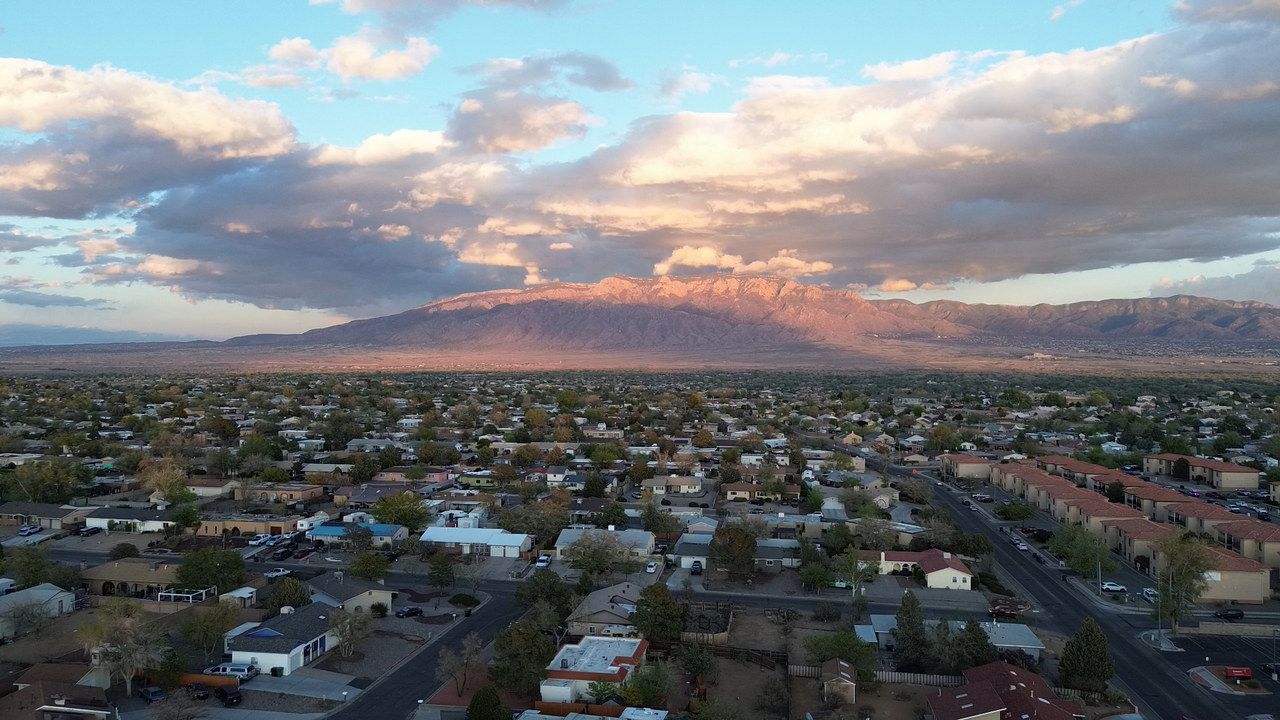
From the forested slopes above Cedar Crest to the wind-swept plains of Edgewood, the East Mountains demand more from a roof than anywhere else in the Albuquerque metro. Vertical Roofing and Restoration, Inc. provides expert roofing services built around the specific challenges of mountain living — heavy snow loads, monsoon hail, extreme temperature swings, and wildfire exposure.
We proudly serve Cedar Crest, Sandia Park, Edgewood, Tijeras, and surrounding East Mountains communities.
Need a roofing contractor who actually knows the East Mountains? Contact us today for a free roof inspection.
Why East Mountains Homeowners Trust Vertical Roofing and Restoration, Inc.
The East Mountains stretch along the eastern flanks of the Sandia and Manzanita Mountains, from forested canyons near Sandia Crest through piñon-juniper foothills and out to the open grasslands where the mountains meet the Estancia Valley. Elevations range from roughly 6,200 feet near Tijeras to over 7,000 feet in Cedar Crest and Sandia Park, with Edgewood sitting at approximately 6,800 feet on the transition to the plains. That elevation — combined with rugged terrain, dense forest cover, and direct exposure to weather systems that build over the Sandia ridgeline — creates a roofing environment fundamentally different from the valley floor just 20 minutes west.
At Vertical Roofing and Restoration, we've worked across every corner of the East Mountains. A roof in Sandia Park faces different primary stresses than one in Edgewood, but every property in this region shares a common reality: mountain weather is harder on roofs, and the consequences of deferred maintenance are more severe at elevation.
Snow, Ice, and Freeze-Thaw Cycles
Winter defines roofing life in the East Mountains. The region averages 40 to 60 inches of snow annually — far more than the 10 inches Albuquerque receives on the valley floor. At elevations above 7,000 feet, that snow persists for days or weeks, loading weight onto roof structures and creating the conditions for ice dams as snowmelt refreezes at the eaves. Across the region, temperatures drop below freezing on roughly 125 nights per year while daytime highs can climb well above the freezing mark, producing a relentless freeze-thaw cycle. Water seeps into hairline cracks in flashing, sealants, and shingle edges during the day, then expands as it freezes overnight — a process that compounds all winter long and surfaces as leaks during the spring thaw. This mechanical stress shortens roof lifespans across the East Mountains compared to identical materials installed in the valley.
Monsoon Hail and Severe Storms
The North American Monsoon drives intense thunderstorms over the Sandia Mountains from late June through September, and the East Mountains catch these storms head-on as they crest the ridgeline and push eastward. Communities throughout the region have recorded hailstones ranging from quarter-sized to golf-ball-sized, with multiple severe weather warnings issued each monsoon season. Hail cracks shingles, dents metal flashing, fractures tile, and strips protective granules — damage that often appears minor but deteriorates through subsequent freeze-thaw cycles and wind events. The combination of monsoon-season hail followed by a mountain winter is what makes storm damage in the East Mountains particularly destructive if left unaddressed.
Wind Exposure Across Varied Terrain
Wind affects the entire East Mountains region, though its character varies with the landscape. In the forested communities of Cedar Crest and Sandia Park, ridgetop and exposed hillside properties face gusts funneled along the mountain slopes, while dense tree canopy elsewhere creates debris problems. In Edgewood, the terrain opens dramatically — there are few natural windbreaks between properties and the horizon, and sustained winds of 20 to 30 mph are routine with gusts regularly topping 60 mph during severe storms. Throughout the region, wind lifts shingle tabs, peels back ridge caps, loosens fasteners, and drives rain horizontally underneath materials that look intact from the ground.
Wildfire Risk and the Wildland-Urban Interface
The East Mountains constitute the largest wildland-urban interface community in New Mexico, with homes nestled among ponderosa pine, piñon, and juniper throughout Cibola National Forest and its surrounding foothills. Wildfire risk isn't hypothetical here — it shapes building decisions, insurance considerations, and the roofing materials best suited for the region. Embers from a distant fire can travel miles and ignite combustible roofing materials, making Class A fire-rated products an important consideration for any East Mountains homeowner. Beyond direct fire risk, the forested environment means pine needle and debris accumulation on roof surfaces, in valleys, and in gutters — trapping moisture, accelerating material degradation, and blocking drainage year-round.
Every property in the East Mountains faces some combination of these challenges, whether it's a custom estate near Sandia Crest, a growing subdivision in Edgewood, or a cabin along the Turquoise Trail in Cedar Crest. Vertical Roofing understands the full spectrum of conditions across this region because we've been on those roofs — inspecting, repairing, and replacing them through every season.
Popular Roofing Services in the East Mountains
The East Mountains' combination of heavy snow, severe hail, high winds, and wildfire exposure means property owners here need roofing services tailored to mountain conditions. These are the services our East Mountains clients rely on most.
Metal Roof Installation
Metal is one of the highest-performing roofing materials for the East Mountains. It sheds snow before dangerous loads accumulate, resists hail impact, withstands high wind uplift, and carries a Class A fire rating — critical for homes in the forested wildland-urban interface. Metal handles the daily freeze-thaw cycle without the cracking and granule loss that degrades other materials at elevation. For mountain properties across Cedar Crest, Sandia Park, and Edgewood, standing-seam metal roofing is a long-term investment that outperforms in every season.
Hail and Storm Damage Repair
Monsoon season delivers severe hail to the East Mountains year after year, and the damage isn't always visible from the ground. Granule loss, hairline cracks, and bruised shingles may not leak immediately but will fail as freeze-thaw cycles exploit every weak point through the winter. Vertical Roofing provides thorough post-storm inspections across the region, documents every point of impact, and works directly with your insurance company to ensure the full scope of damage is covered before winter sets in.
Insurance Claims Assistance
Filing a roof damage claim after a mountain hailstorm or heavy snow event is stressful, and adjusters unfamiliar with high-elevation conditions often undervalue the damage. Vertical Roofing specializes in insurance claims — we meet your adjuster on-site, provide the comprehensive documentation your insurer requires, and advocate on your behalf. For East Mountains homeowners dealing with the compounding effects of storm damage and freeze-thaw deterioration, this service ensures you receive the full compensation your claim deserves.
Roof Leak Repair
Leaks in the East Mountains trace back to causes rarely seen on valley roofs — ice dam melt backing under flashing, freeze-thaw cycling opening gaps around skylights and chimneys, wind-driven rain forcing moisture beneath ridge caps, and pine needle debris trapping water against roofing surfaces. We trace every leak to its actual source rather than patching symptoms, and we repair with materials rated for the thermal stress and moisture conditions specific to high-elevation performance.
Tile Roof Replacement
Many Southwestern-style homes throughout the East Mountains feature clay or concrete tile — a material that complements the region's architecture and performs well against UV and heat. When tiles crack from hail impact, shift under snow loads, or reach the end of their service life, Vertical Roofing handles full replacements with careful attention to structural load requirements, proper underlayment for mountain conditions, and fire resistance ratings appropriate for the wildland-urban interface.
Emergency Roof Repair
When a summer microburst tears materials off your roof, a heavy snow load causes a structural concern, or spring winds peel back a ridge cap, waiting days for a contractor isn't an option at elevation — exposed decking in the East Mountains means rapid moisture intrusion from the next storm or overnight freeze. Vertical Roofing responds quickly to secure your property, tarping exposed areas and stopping active leaks until a permanent repair or replacement is completed.
Ready To Protect Your Property?
Get a free roof quote and a clear repair or replacement plan tailored to your roof system and neighborhood weather risks.
When you reach out to Vertical Roofing and Restoration from anywhere in the East Mountains, here's what happens:
1. Schedule Your Free Inspection Contact us by phone or through our website. Whether you're in Cedar Crest, Sandia Park, Edgewood, Tijeras, or anywhere else across the East Mountains, we come to you.
2. Thorough Roof Inspection Our inspector examines your entire roof system — surface materials, flashing, vents, valleys, gutters, and attic space. We check for signs of ice dam damage, freeze-thaw deterioration, hail impact, wind lift, and debris-related moisture trapping. Everything is photographed and documented, which is critical if you're filing an insurance claim.
3. Detailed Report and Recommendations You'll receive a clear, honest assessment along with our recommended course of action. If targeted repairs will handle it, we'll say so. If a material upgrade — like switching to metal for better snow shedding, wind resistance, and fire protection — makes more sense for your property, we'll explain why. No pressure, just straightforward guidance.
4. Insurance Claims Support For storm-related or winter damage, we handle the heavy lifting on your insurance claim — preparing documentation, meeting with your adjuster on-site, and making sure nothing is overlooked or undervalued.
5. Professional Installation or Repair Our crew uses quality materials suited to the East Mountains' high-elevation climate, follows manufacturer specifications, and respects your property and the surrounding landscape. We're experienced with the steep lots, forested properties, unpaved driveways, and elevation access challenges that come with working in this region.
6. Final Walkthrough and Warranty We walk you through the completed work and make sure you're fully satisfied. Your roof is backed by both manufacturer warranties and our workmanship guarantee.
About Us
Vertical Roofing and Restoration, Inc. is a full-service roofing company serving all of New Mexico, with deep roots in the East Mountains communities of Cedar Crest, Sandia Park, and Edgewood. We work with both residential and commercial property owners, providing everything from emergency storm repairs to complete roof replacements. Our team specializes in insurance claims assistance, helping property owners navigate the process and secure the coverage they deserve. What sets us apart in the East Mountains is genuine regional expertise — we understand how snow loads, ice dams, monsoon hail, high winds, and wildfire risk shape every material choice and installation decision at elevation. We've built our reputation on honest assessments, quality craftsmanship, and a commitment to the mountain communities that trust us with their most important investment.
Roofing FAQ
A: Elevation is the biggest factor. The East Mountains sit 1,500 to 2,000 feet higher than the Albuquerque valley floor, which means significantly more snow, colder overnight temperatures, more freeze-thaw cycles, and greater exposure to hail and wind from storms that build over the Sandia ridgeline. Roofing materials wear faster at elevation, and the consequences of deferred maintenance — like a small flashing gap that becomes a major leak after a winter of ice expansion — are more severe. East Mountains roofs need materials, installation techniques, and maintenance schedules calibrated to mountain conditions, not valley conditions.
A: At minimum, once a year — ideally in late spring after the snow season ends and before monsoons begin. We also recommend an inspection after any significant hailstorm or high-wind event, even if damage isn't visible from the ground. The East Mountains' combination of winter freeze-thaw stress followed by summer storm damage means small problems compound quickly if left unchecked.
A: Standing-seam metal roofing is one of the top performers — it sheds snow, resists hail, handles freeze-thaw cycling, withstands high winds, and carries a Class A fire rating for the wildland-urban interface. Concrete and clay tile offer longevity and heat reflection for Southwestern-style homes. For asphalt shingles, we recommend Class 4 impact-rated products with high wind ratings. The best choice depends on your property's elevation, exposure, roof pitch, and budget, and we walk you through the options during a free inspection.
A: In most cases, yes — hail, wind, and sudden snow or ice damage are typically covered under standard homeowner's policies in New Mexico. However, insurers sometimes undervalue mountain-specific damage or argue it resulted from deferred maintenance rather than a weather event. Vertical Roofing documents storm and winter damage thoroughly, meets with your adjuster on-site, and advocates for fair compensation so your claim reflects the true scope of repairs needed.
A: Significantly. The East Mountains are classified as the state's largest wildland-urban interface community, with homes surrounded by Cibola National Forest. Flying embers can travel miles during a fire event and ignite combustible roofing materials. We strongly recommend Class A fire-rated roofing — metal and fire-rated tile offer the highest protection. Beyond material selection, keeping your roof clear of pine needle debris and maintaining defensible space around your property are essential steps that complement a fire-resistant roof system.
A: For many East Mountains homeowners, yes. Metal roofing addresses the region's primary challenges all at once — it sheds snow to prevent dangerous loads and ice dams, resists hail impact, withstands sustained high winds, reflects solar heat, and provides Class A fire protection. While the upfront cost is higher than asphalt shingles, metal's lifespan of 40 to 70 years and lower maintenance requirements often make it the more cost-effective choice over time at mountain elevations where shingle roofs degrade faster.
A: Late spring through early fall offers the most reliable weather windows — after the heavy snow season ends and before the coldest temperatures return. We schedule around monsoon forecasts during July and August to avoid mid-project storms. However, if your roof is actively leaking or has sustained storm damage, we address it immediately regardless of season. Waiting through an East Mountains winter with a compromised roof risks far greater damage and higher costs.
Ready To Protect Your Property?
Get a free roof quote and a clear repair or replacement plan tailored to your roof system and neighborhood weather risks.